When a DIY approach makes sense
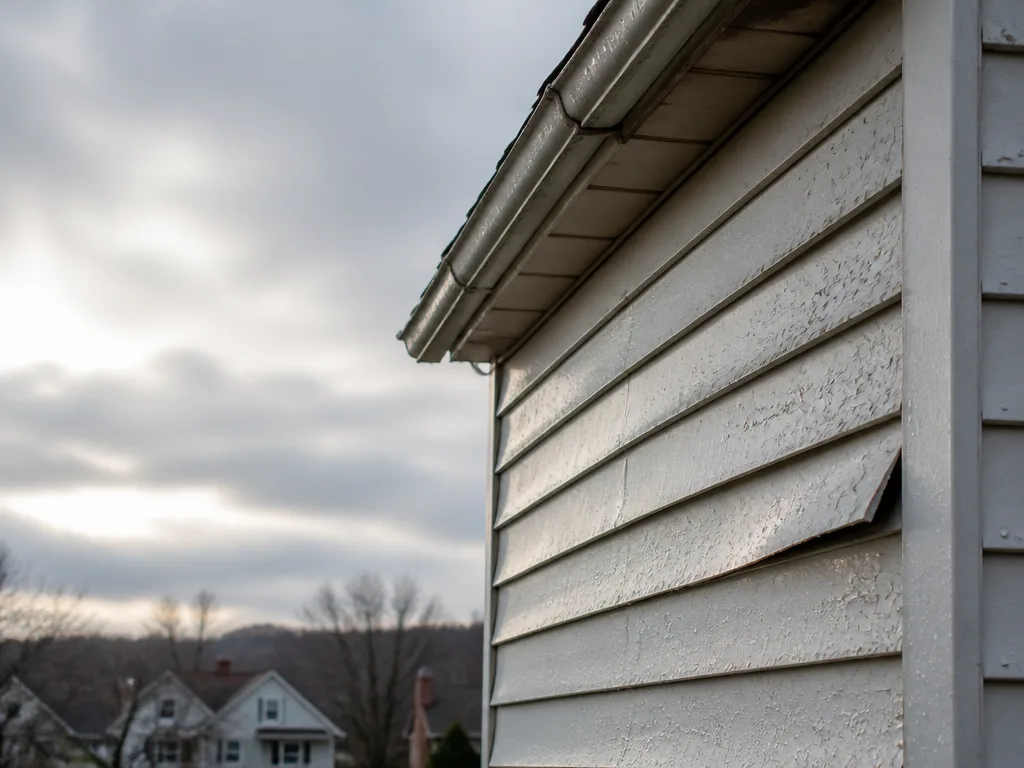
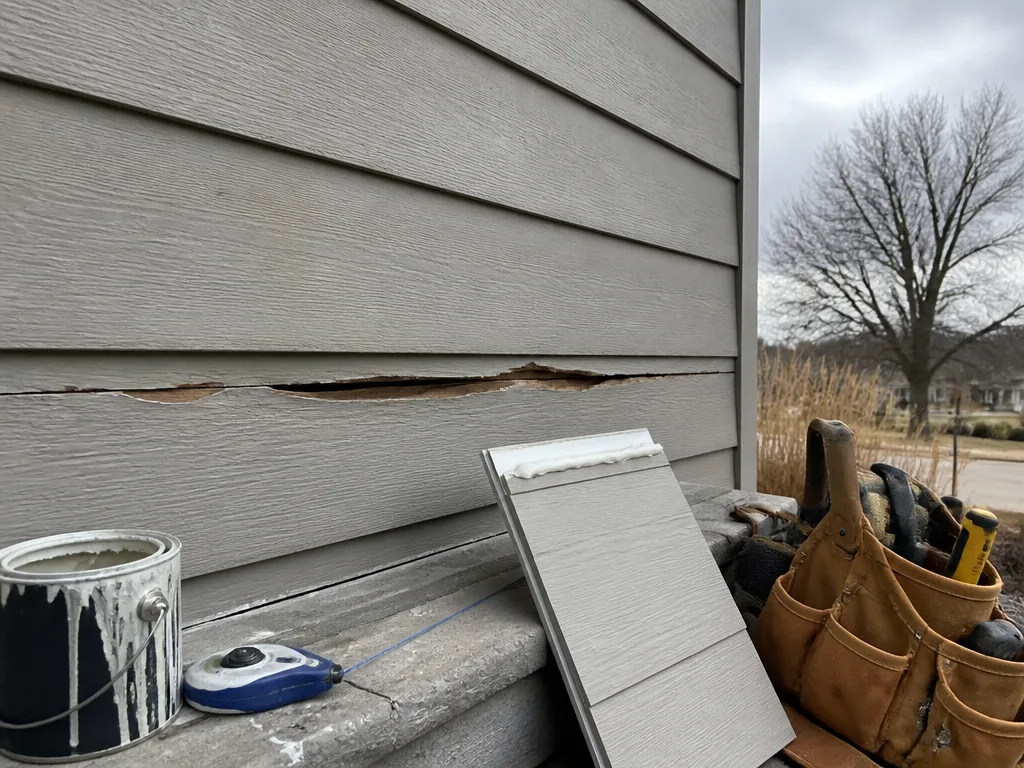
Small cracks or loose trim that don’t threaten the substrate can sometimes be addressed with careful cleaning, matching sealants, and careful reseating. If you’re comfortable with basic projects, you can plan to tackle these minor fixes after a careful inspection of the area, especially on uniform siding materials like vinyl or metal. Always work from a safe height and use proper fall protection.
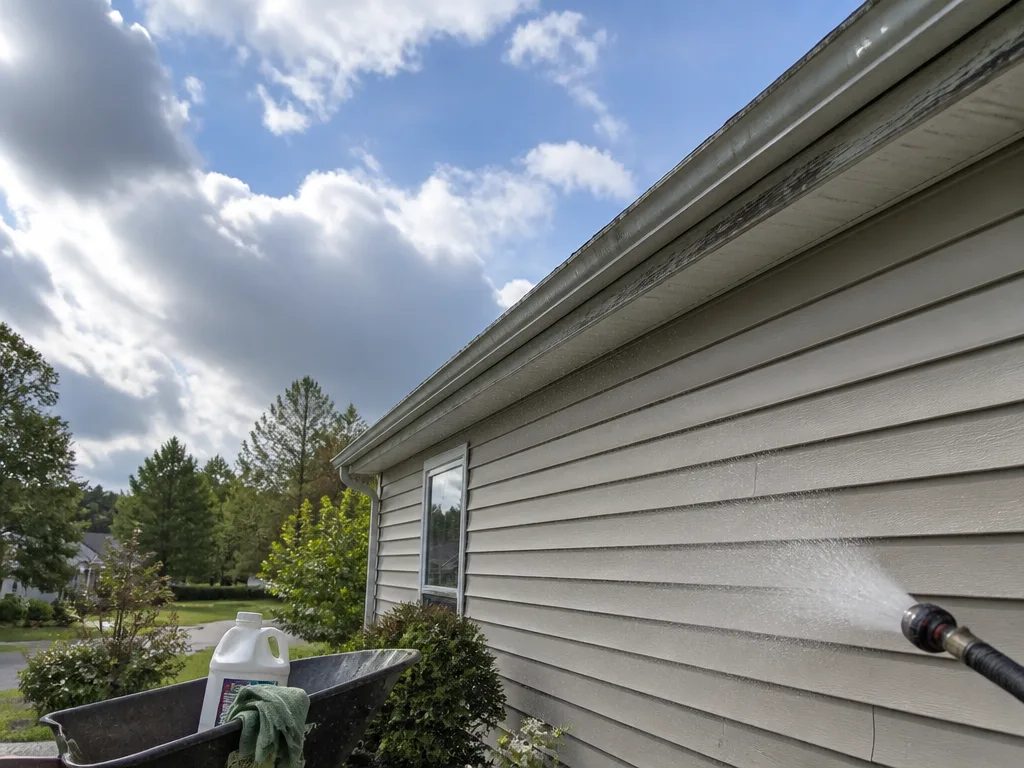
Preparing the surface matters. Clean the area, remove loose material, and test the substrate before applying any adhesive or sealant. Use products rated for exterior use and compatible with your siding type. In Ohio, choose materials that resist UV exposure and temperature variation to extend the life of the repair.
When to call a siding specialist
If you see widespread moisture behind siding, large cracks, warping, or mold growth, don’t roll the dice. A siding specialist can evaluate the full wall assembly, including flashing, ventilation, and the moisture barrier. They’ll confirm whether repairs are enough or if a full or partial replacement is the better long-term option in Ohio’s climate.
Professional inspections also help you choose the right siding for future seasons. A statewide Ohio crew can provide material recommendations that balance curb appeal, durability, and maintenance needs across the state’s varying weather patterns.
Checklist before you call
- Document problem areas with photos and dates of weather events.
- Note the siding type and any prior repairs.
- Prepare access for the siding specialists to inspect the wall line and transitions.
In the end, DIY can cover small fixes, but for anything that touches the structural envelope, it’s wise to rely on a siding specialist. Ohio Siding Replacement works statewide to assess, plan, and execute fixes that keep homes protected year after year.